

Ways to live
Look at the property — and the numbers.
What this actually means
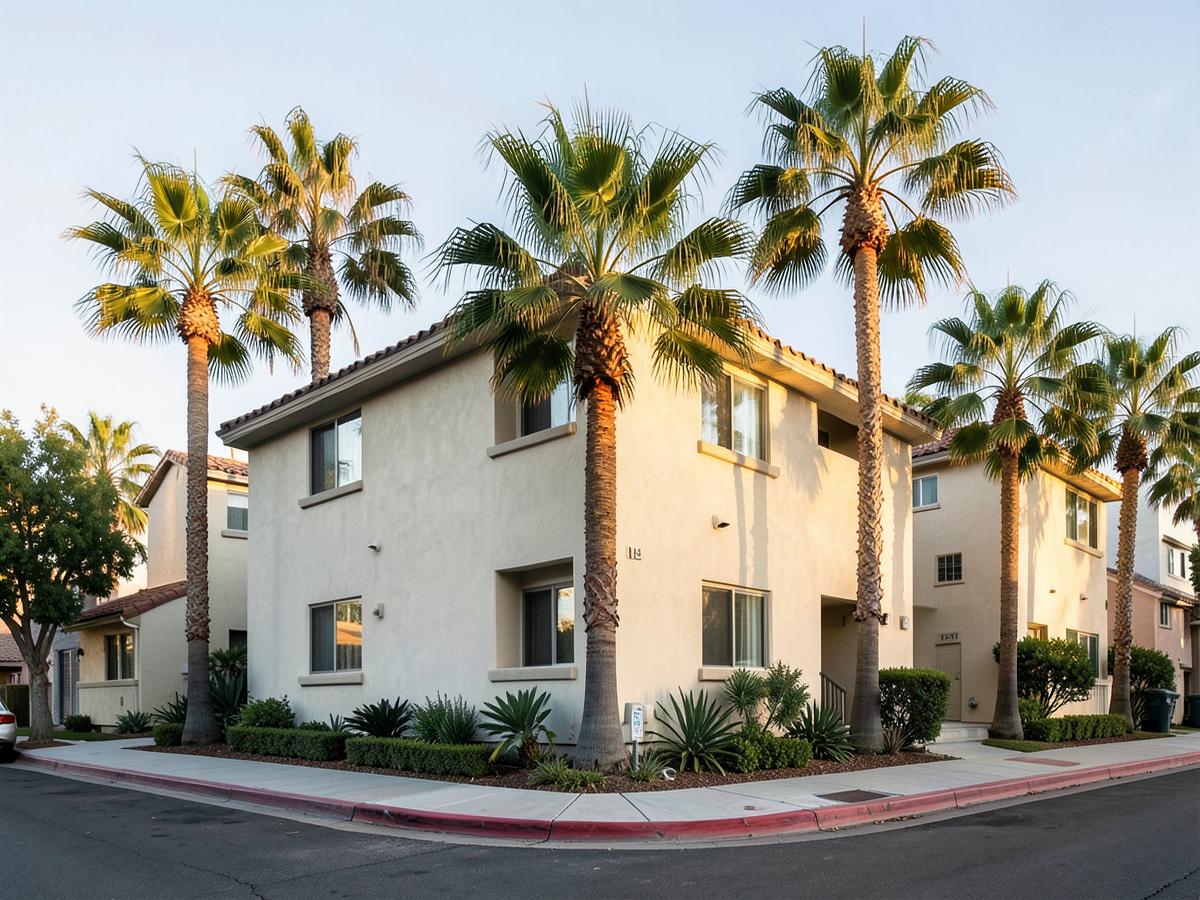
Residential investment covers a range, from a single condo to a small multi-unit building. What they share is that the property's performance depends on inputs — income, costs, financing and vacancy — that vary by property and by year.
Ardra's role here is the real estate: the property itself, its location, its condition, what it might command and what it might cost to hold. The financial, tax and legal judgments belong with the appropriate professionals.
What to think about
The things worth checking
- Purchase price and condition
- What the property needs before it can perform is part of what it costs to acquire.
- Potential income
- What a property might command depends on its location, condition, size and the market at the time. Any figure is an estimate, not a promise.
- Operating expenses
- Taxes, insurance, utilities where applicable, management, repairs and turnover costs all reduce what a property nets.
- HOA where applicable
- Dues are an ongoing cost, and some associations restrict rentals. Both matter to whether a property suits the purpose.
- Maintenance and reserves
- Holding property means funding repairs that arrive unevenly. Setting money aside deliberately is part of the model.
- Vacancy assumptions
- No property is occupied every day of every year. The assumption you choose changes the result substantially.
- Financing
- Terms for investment property commonly differ from those for a primary residence. A lender can tell you what applies to you.
- Ownership objectives
- Income now, holding for the long term, or something in between — the objective determines which properties are even worth evaluating.
Tradeoffs
What you give up for what.
Every way of living asks for something in return. Knowing which trade you are making is more useful than pretending there isn't one.
- A property that performs well on paper may need work before it performs at all.
- Higher potential income often comes with more management, more turnover, or both.
- Restrictions in an association can limit how a property may be used.
- Leverage changes outcomes in both directions.
What to talk through with Ardra
Worth a conversation.
- What you want the property to do — income, holding period, or a combination
- What condition and management you are prepared to take on
- Which locations suit the objective
- What assumptions you want to test before committing to any of them
Ardra provides real-estate guidance and does not provide investment, financial, tax or legal advice. No return, appreciation, rental income or occupancy level is promised or implied. Consult a qualified financial professional, tax adviser and attorney about your circumstances.
Where to explore next
- Coastal LivingLife closer to the coast.
- New ConstructionStart with something new.
- Single-Family HomesMore space to make your own.
- Condos & TownhomesA different approach to homeownership.
- Distinctive HomesHomes with something exceptional about them.
Still deciding on an area? San Diego Fit works through it question by question.